


Published
01-01-2026
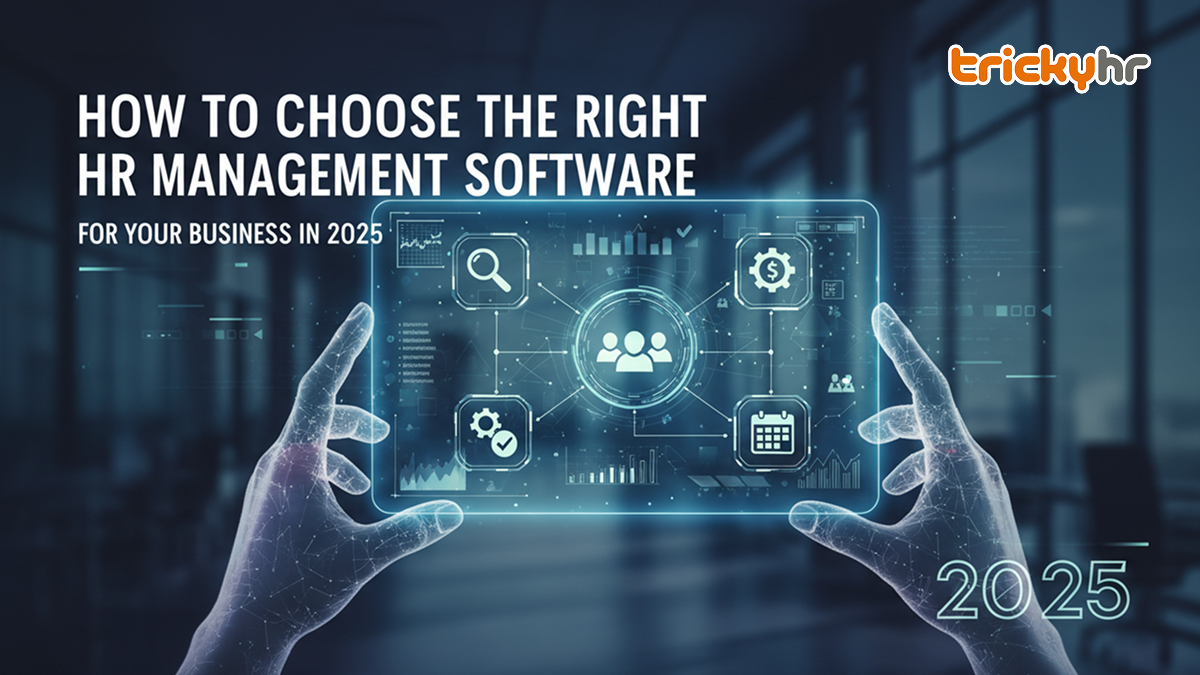
How to Choose the Right HR Management Software for Your Business in 2025
In today’s fast-changing business environment, managing employees manually is no longer practical. As companies grow, HR teams face challenges such as payroll errors, attendance tracking issues, compliance risks, and inefficient workflows. This is where HR management software plays a critical role. Choosing the right HR management software in 2026 is not just about automation—it’s about selecting a solution that supports business growth, improves productivity, and simplifies workforce operations. This guide will help you understand what to look for before making the decision.
What Is HR Management Software?
HR management software is a digital solution that helps businesses manage core HR activities such as employee data, payroll processing, attendance tracking, leave management, and compliance. Modern HRMS software for businesses integrates multiple HR processes into one centralized system, reducing manual effort and improving accuracy.
Why Choosing the Right HR Management Software Matters
Many businesses invest in HR software without proper evaluation and later face issues such as poor usability, lack of scalability, or limited features. Choosing the right solution ensures:
- Smooth HR operations
- Reduced administrative workload
- Accurate payroll and attendance management
- Better employee experience
- Long-term scalability
The right employee management system becomes a foundation for efficient workforce management.
Step 1: Understand Your Business HR Needs
Before selecting any HR management software, identify your current and future HR requirements.
Ask questions such as:
- How many employees do we manage today?
- Do we need payroll, attendance, leave, and compliance support?
- Will the software scale as the company grows?
- Do we need mobile access for employees?
Understanding these needs helps avoid investing in unnecessary features or limited systems.
Step 2: Look for Essential HR Management Features
A reliable HR management software should include:
Centralized employee records, role-based access, and easy data management.
Automated salary calculation, deductions, tax support, and payslip generation to minimize payroll errors.
Attendance & Leave Tracking
Accurate time tracking, leave approvals, and real-time attendance visibility.
Employee Self-Service (ESS)
Allows employees to access payslips, attendance, leave balance, and personal details independently.
Step 3: Cloud-Based vs Traditional HR Software
In 2025, cloud-based HR management software has become the preferred choice for most businesses.
Benefits of Cloud HR Software:
- Accessible anytime, anywhere
- Lower infrastructure costs
- Automatic updates and security
- Ideal for remote and hybrid teams
Cloud-based HRMS software for businesses offers flexibility and long-term value compared to traditional on-premise systems.
Step 4: Scalability and Ease of Use
As businesses grow, HR operations become more complex. The HR management software you choose should:
- Handle increasing employee count
- Support additional HR modules when required
- Be easy to use for HR teams and employees
A scalable solution avoids frequent software changes and reduces long-term costs.
Step 5: Security and Compliance
HR software stores sensitive employee data. Ensure the system provides:
- Secure data storage
- Role-based access controls
- Compliance with statutory and payroll regulations
Security and compliance are non-negotiable when selecting the best HR management software.
Step 6: Mobile Accessibility
Modern businesses expect flexibility. A mobile-friendly HR solution allows employees and HR teams to:
- Mark attendance
- Apply for leave
- Access payslips and updates
Mobile access improves employee engagement and operational efficiency.
Step 7: Avoid Common HR Software Selection Mistakes
Many businesses make these mistakes:
- Choosing software based only on price
- Ignoring future scalability
- Selecting complex systems with poor user experience
- Not considering payroll and compliance needs
Avoiding these errors ensures better ROI from your HR investment.
Final Checklist Before Choosing HR Management Software
Before finalizing your decision, confirm that the software:
- Matches your business HR needs
- Includes payroll, attendance, and employee management
- Is cloud-based and scalable
- Offers strong security and compliance
- Is easy to use and mobile-accessible
Conclusion
Choosing the right HR management software in 2025 is a strategic business decision. The right solution helps businesses streamline HR processes, reduce errors, and build a productive workforce. By focusing on features, scalability, security, and usability, companies can select an HR system that supports long-term growth.
If you’re planning to modernize your HR operations, investing in a reliable and scalable HR management solution can make a significant difference.
Looking to simplify HR, payroll, and workforce
management? Explore how a modern HR management system can transform your HR
operations.
Our Blogs
Latest articles and updates from our team.
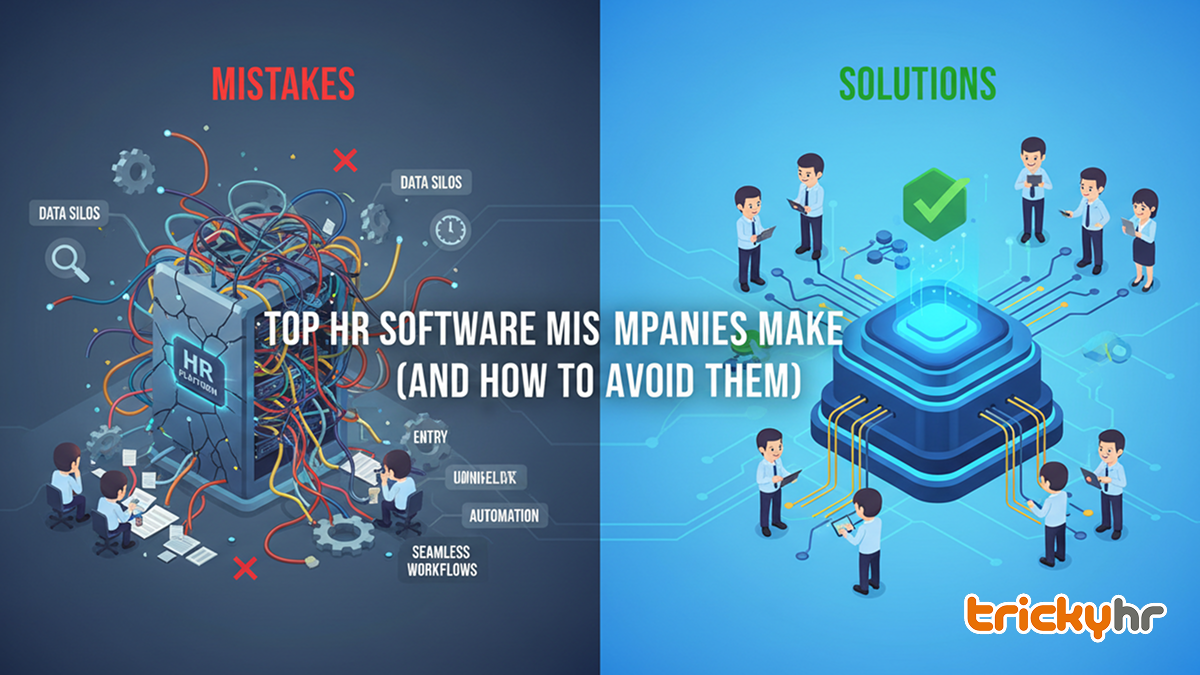
Top HR Software Mistakes Companies Make (And How to Avoid Them)
Implementing HR management software is a smart move for growing businesses. However, many companies fail to get the expe...
Read More

Biometric Attendance vs Manual Attendance: Which Is Better for Businesses?
Employee attendance tracking plays an important role in workforce management. Accurate attendance records help businesse...
Read More
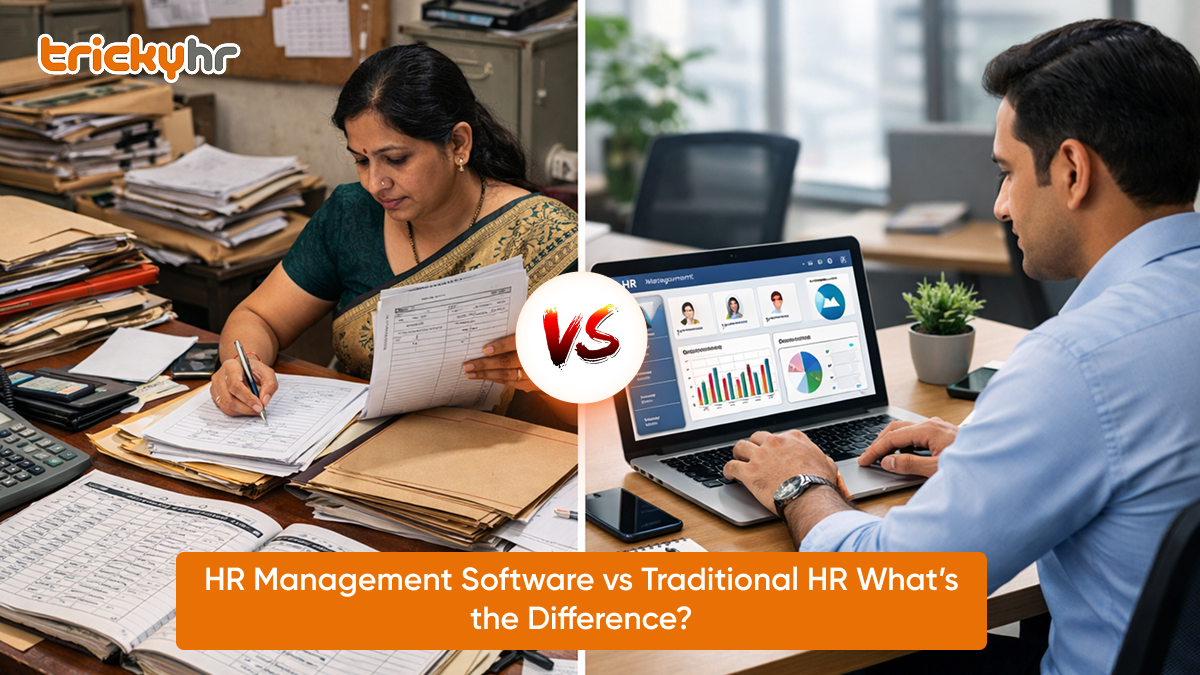
HR Management Software vs Traditional HR: What’s the Difference?
Managing human resources efficiently is essential for any growing business. Traditionally, HR departments relied on manu...