


Published
02-03-2026
HR Management Software vs Traditional HR: What’s the Difference?
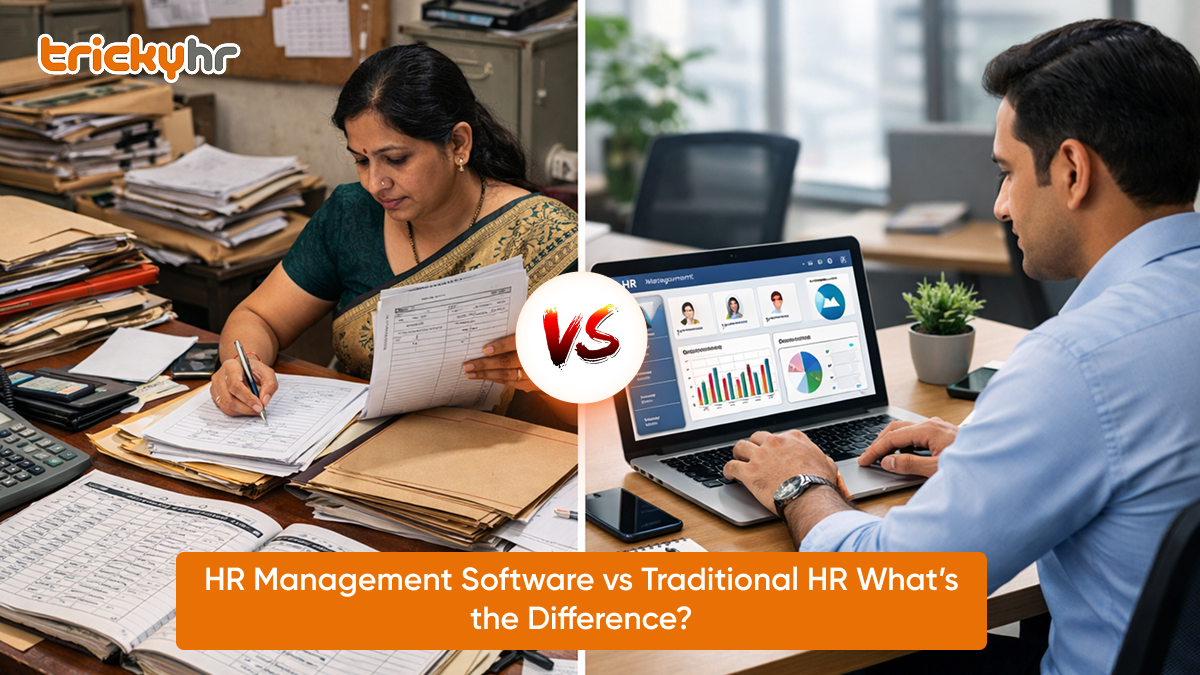
Managing human resources efficiently is essential for any growing business. Traditionally, HR departments relied on manual processes such as spreadsheets, paperwork, and separate tools to manage employee information, payroll, attendance, and performance. However, with the advancement of technology, many organizations are now shifting to HR management software to streamline HR operations. In this blog, we will explore the key differences between HR management software and traditional HR methods, and why modern businesses are adopting digital HR solutions.
What Is Traditional HR Management?
Traditional HR management refers to manual or semi-digital methods used to manage employee-related processes. This often includes:
- Paper-based employee records
- Spreadsheet-based payroll calculations
- Manual attendance tracking
- Physical document storage
- Separate tools for different HR activities
While traditional HR processes may work for small teams, they often become inefficient as organizations grow.
What Is HR Management Software?
HR management software is a digital system designed to automate and manage core HR functions such as employee records, payroll, attendance, leave management, performance tracking, and reporting.
Modern HRMS software for companies integrates multiple HR processes into a single platform, allowing businesses to manage workforce operations more efficiently.
Key Differences Between HR Management Software and Traditional HR
1️⃣ Employee Data Management
Traditional HR:
Employee records are maintained manually in files or spreadsheets, making it
difficult to update and access information quickly.
HR Management Software:
An employee management system stores all employee data in a centralized
database, allowing HR teams to access information instantly.
2️ Payroll Processing
Traditional HR:
Payroll calculations are often done manually using spreadsheets, which
increases the risk of salary errors.
HR Management Software:
Integrated payroll and HR management software automatically calculates
salaries, deductions, and taxes based on attendance and payroll rules.
3️ Attendance and Leave Tracking
Traditional HR:
Attendance is tracked manually using registers or basic systems, which may lead
to errors.
HR Management Software:
Attendance systems integrate with payroll and leave modules, ensuring accurate
working hours and leave balances.
4️ Reporting and Analytics
Traditional HR:
Reports must be generated manually, which consumes significant time.
HR Management Software:
Automated reports provide real-time insights into employee performance, payroll
costs, and workforce trends.
5️ Efficiency and Productivity
Traditional HR:
Manual tasks increase administrative workload and reduce HR productivity.
HR Management Software:
Automation reduces repetitive tasks and allows HR teams to focus on strategic
workforce management.
Benefits of HR Management Software
Businesses adopting HR management software benefit from:
- Automated HR processes
- Accurate payroll calculations
- Centralized employee data
- Improved compliance management
- Faster reporting and analytics
- Better employee experience
Companies across India are increasingly adopting HR management software to improve operational efficiency and workforce transparency.
When Should Businesses Switch to HR Software?
Organizations should consider implementing HR management software if they experience:
- Increasing employee count
- Frequent payroll errors
- Difficulty managing employee records
- Manual HR reporting challenges
- Growing compliance requirements
Digital HR systems simplify these challenges and support business scalability.
Conclusion
Traditional HR methods may work for small teams, but they often become inefficient as organizations grow. HR management software provides automation, accuracy, and centralized control over HR processes, helping businesses manage their workforce more effectively.
By adopting modern HRMS solutions, companies can reduce manual workload, improve payroll accuracy, and build a more efficient HR system.
Our Blogs
Latest articles and updates from our team.
Payroll Management Software in Chennai: How to Choose the Right One
Managing payroll accurately is one of the most critical responsibilities for any organization. From calculating salaries...
Read More
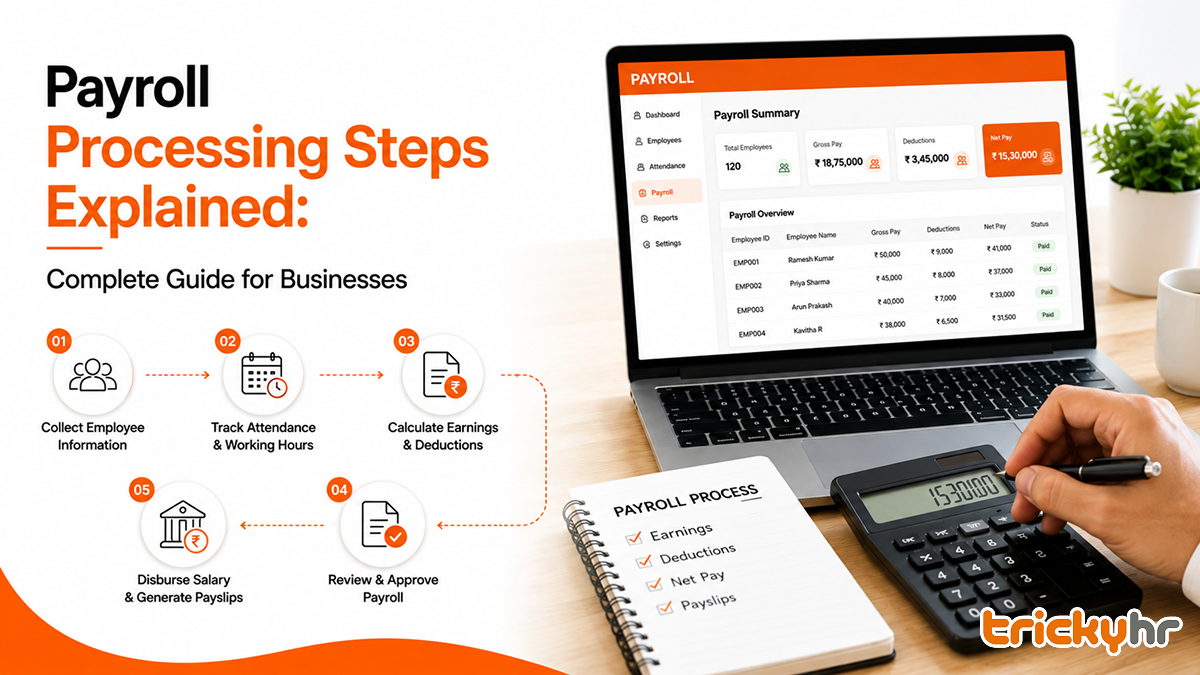
Payroll Processing Steps Explained: Complete Guide for Businesses
Payroll is one of the most important functions in any organization. Employees expect accurate and timely salary payments...
Read More
Payroll Software in Chennai: Complete Guide for Businesses in 2026
Payroll management is one of the most important functions in any organization. As businesses grow, managing employee sal...