


Published
12-01-2026
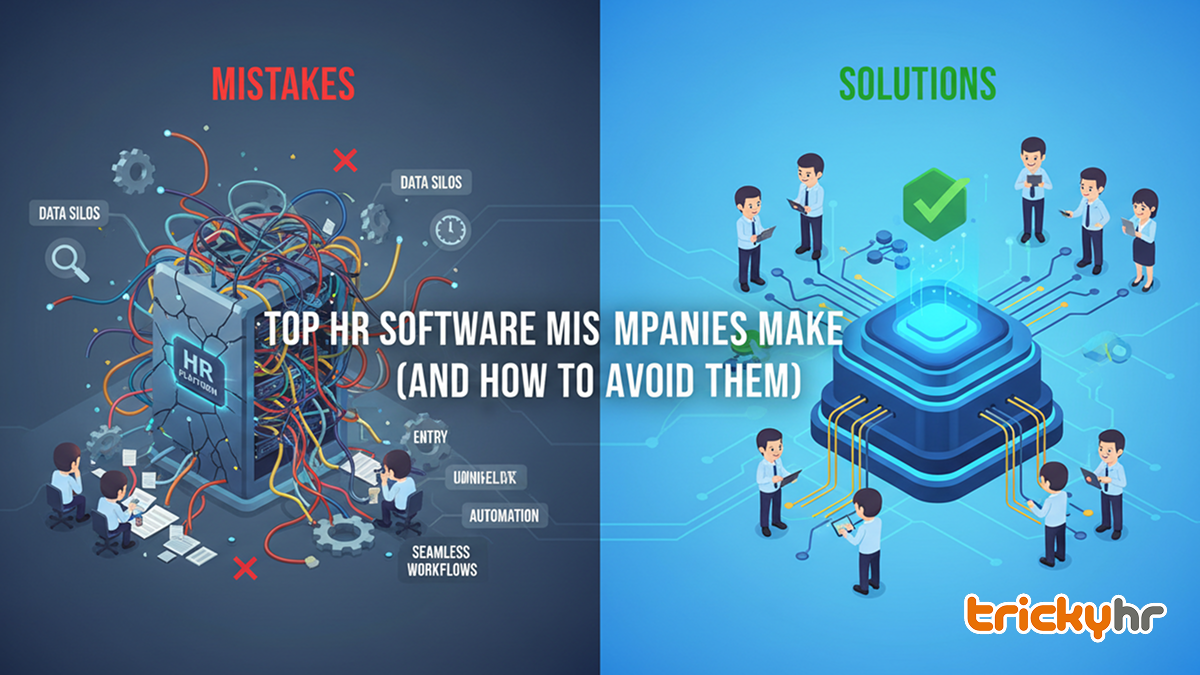
Top HR Software Mistakes Companies Make (And How to Avoid Them)
Implementing HR management software is a smart move for growing businesses. However, many companies fail to get the expected results because of common mistakes made during selection and implementation. These mistakes can lead to poor user adoption, payroll errors, wasted investment, and operational inefficiencies. In this blog, we highlight the top HR software mistakes companies make and explain how to avoid them for a successful HR digital transformation.
Why HR Software Implementation Fails
HR software is meant to simplify workforce management, but without proper planning, businesses often struggle with:
- Low employee adoption
- Inaccurate payroll processing
- Poor data management
- Compliance risks
Understanding these mistakes early helps businesses choose and use the right HR management software effectively.
Common HR Software Mistakes (And Solutions)
Choosing HR Software Based Only on Price
Many companies select HR software solely because it is cheap. Low-cost tools often lack essential features, scalability, and support.
How to avoid:
Evaluate HR software based on features, scalability, support, and long-term
value—not just price.
Ignoring Business-Specific HR Requirements
Every organization has unique HR needs. Choosing generic software without analyzing requirements can lead to feature gaps.
How to avoid:
List your HR needs such as payroll, attendance, leave, compliance, and
reporting before selecting an HRMS software for businesses.
Overlooking Payroll and Compliance Needs
Payroll errors and compliance failures are serious risks. Some companies choose HR software that does not fully support payroll or statutory requirements.
How to avoid:
Ensure the HR software includes automated payroll, tax handling, and
compliance-ready reporting.
Selecting Complex and Hard-to-Use Software
Complicated interfaces discourage employees and HR teams from using the system properly.
How to avoid:
Choose HR management software with a simple, user-friendly interface and
employee self-service options.
Not Planning for Business Growth
HR needs evolve as businesses grow. Software that works today may not support future expansion.
How to avoid:
Select scalable HR software that can handle increased employees, multiple
locations, and additional HR modules.
Ignoring Mobile Access
Modern workplaces need flexibility. HR software without mobile access limits usability for employees and managers.
How to avoid:
Choose HR software that supports mobile access for attendance, leave, and HR
updates.
Poor Employee and HR Team Training
Even the best HR software fails without proper training.
How to avoid:
Provide onboarding and training for HR teams and employees to ensure smooth
adoption.
Benefits of Avoiding These HR Software Mistakes
When businesses avoid common HR software mistakes, they benefit from:
- Accurate payroll and attendance tracking
- Higher employee adoption
- Reduced HR workload
- Better compliance management
- Improved return on investment
A well-chosen employee management system becomes a long-term asset rather than a challenge.
Best Practices for Successful HR Software Implementation
To ensure success:
- Analyze HR needs clearly
- Choose feature-rich and scalable software
- Prioritize usability and mobile access
- Plan training and onboarding
- Review performance regularly
Following these best practices helps businesses maximize the value of HR software.
Conclusion
HR software implementation can transform workforce management—but only when done right. By avoiding common mistakes such as poor planning, ignoring payroll needs, and choosing complex systems, companies can ensure a smooth and successful HR automation journey.
Investing in the right HR management software helps businesses improve efficiency, accuracy, and employee experience in the long run.
Planning to implement HR software? Choosing the right solution and avoiding common mistakes can make all the difference.
Our Blogs
Latest articles and updates from our team.
Why Growing Companies Need an Integrated HR and Payroll System
As businesses expand, managing HR operations and payroll separately becomes increasingly complex. Disconnected systems o...
Read More
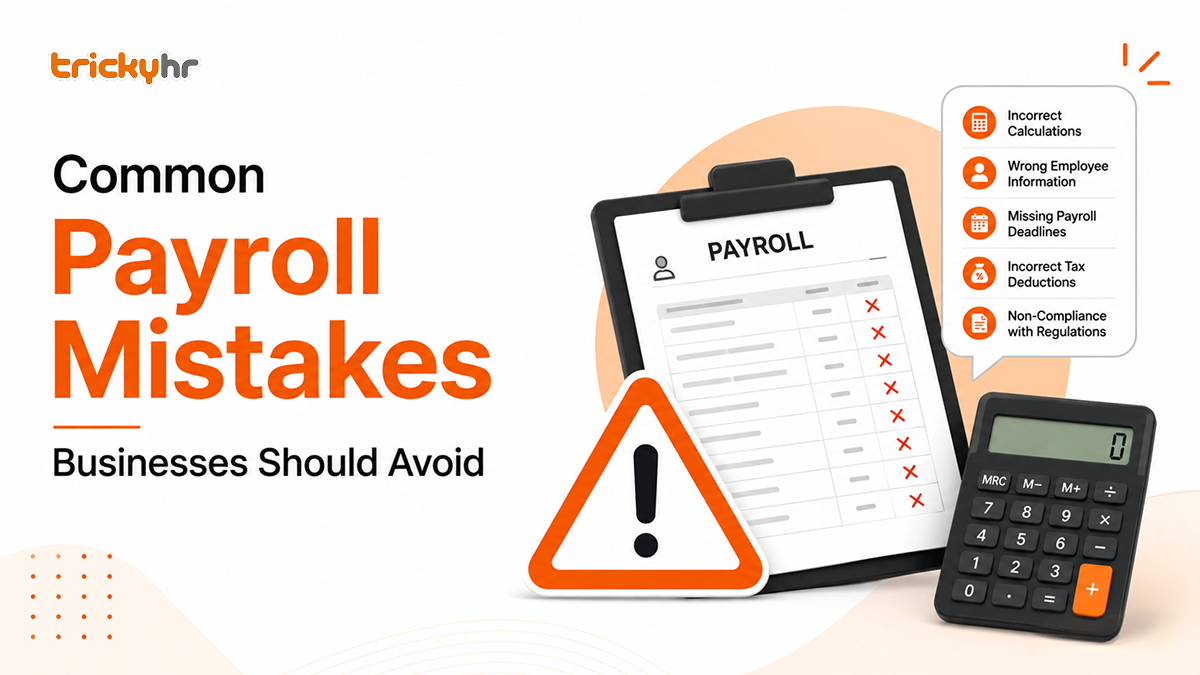
Common Payroll Mistakes Businesses Should Avoid
Payroll management is one of the most critical functions in any organization. Employees expect salaries to be paid accur...
Read More
Payroll Management Software in Chennai: How to Choose the Right One
Managing payroll accurately is one of the most critical responsibilities for any organization. From calculating salaries...