


Published
17-03-2026
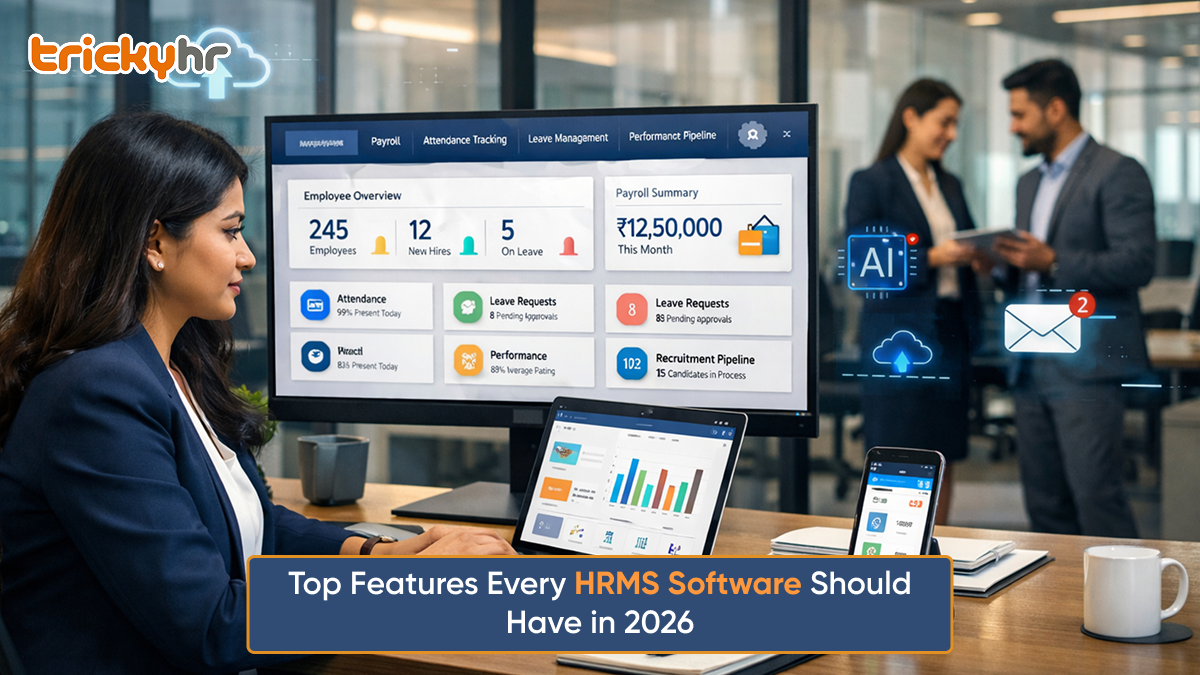
Top Features Every HRMS Software Should Have in 2026
As businesses grow and workforce management becomes more complex, companies are increasingly adopting digital solutions to manage HR operations. Modern organizations need tools that automate processes, improve productivity, and provide real-time workforce insights. This is where HRMS software plays a vital role. In 2026, businesses are looking for advanced HR management software that not only manages employee data but also integrates payroll, attendance, performance management, and reporting into a single system. In this blog, we explore the top features every HRMS software should have in 2026 to help businesses manage their workforce efficiently.
What Is HRMS Software?
HRMS (Human Resource Management System) software is a digital platform designed to automate and manage various HR functions such as:
- Employee information management
- Payroll processing
- Attendance tracking
- Leave management
- Performance evaluation
- HR reporting and analytics
Modern HRMS software for companies helps organizations streamline HR operations and reduce manual administrative work.
Top Features Every HRMS Software Should Have
1️Centralized Employee Database
One of the most important features of an employee management system is the ability to maintain all employee information in one centralized location.
This includes:
- Personal information
- Job roles and designations
- Salary structures
- Employment history
A centralized database ensures easy access and better data management.
2️Automated Payroll Management
Payroll automation is essential for accurate salary processing. The best HRMS systems include integrated payroll and HR management software that can:
- Calculate salaries automatically
- Manage deductions and contributions
- Generate payslips
- Handle tax calculations
This significantly reduces payroll errors and administrative workload.
3️Attendance and Leave Management
Modern HRMS platforms must include attendance and leave tracking capabilities.
Key functions include:
- Daily attendance tracking
- Shift management
- Leave application and approval
- Leave balance tracking
Attendance integration ensures accurate payroll processing.
4️Employee Self-Service (ESS)
Employee self-service portals allow employees to manage their own HR information.
Employees can:
- Apply for leave
- View payslips
- Update personal details
- Check attendance records
ESS reduces HR workload and improves employee experience.
5️Performance Management System
Performance management features help organizations monitor employee productivity and development.
These systems support:
- Goal setting (KPI/KRA tracking)
- Performance reviews
- Appraisal cycles
- Feedback management
Performance tracking helps companies align employee goals with business objectives.
6️HR Reports and Analytics
Modern HRMS software should provide powerful reporting tools to support decision-making.
Examples include:
- Employee performance reports
- Payroll reports
- Attrition analysis
- Attendance trends
Real-time analytics helps management make informed workforce decisions.
7️Cloud-Based Access
Cloud-based HRMS solutions allow organizations to manage HR operations from anywhere.
Benefits include:
- Remote access
- Secure data storage
- Automatic updates
- Multi-location workforce management
Cloud systems are especially beneficial for businesses with distributed teams.
8️Compliance and Security
HR software must ensure data security and regulatory compliance.
Important security features include:
- Role-based access control
- Data encryption
- Audit logs
- Secure document management
These features protect sensitive employee data.
Benefits of Using Modern HRMS Software
Businesses that implement modern HR management software gain several advantages:
- Reduced manual HR workload
- Improved payroll accuracy
- Faster HR processes
- Better employee experience
- Data-driven workforce decisions
Companies across India are increasingly adopting HRMS solutions to improve HR efficiency and productivity.
How to Choose the Right HRMS Software
When selecting HRMS software, businesses should consider:
- Ease of use and interface
- Integration with payroll and attendance systems
- Customization capabilities
- Scalability for future growth
- Data security and compliance support
Choosing the right system ensures long-term operational efficiency.
Conclusion
In 2026, businesses need HRMS software that goes beyond basic HR tasks and provides integrated workforce management solutions. Features such as payroll automation, attendance tracking, performance management, and cloud access are essential for modern organizations.
Investing in the right HR management software helps companies streamline HR operations, improve employee management, and support business growth.
Our Blogs
Latest articles and updates from our team.
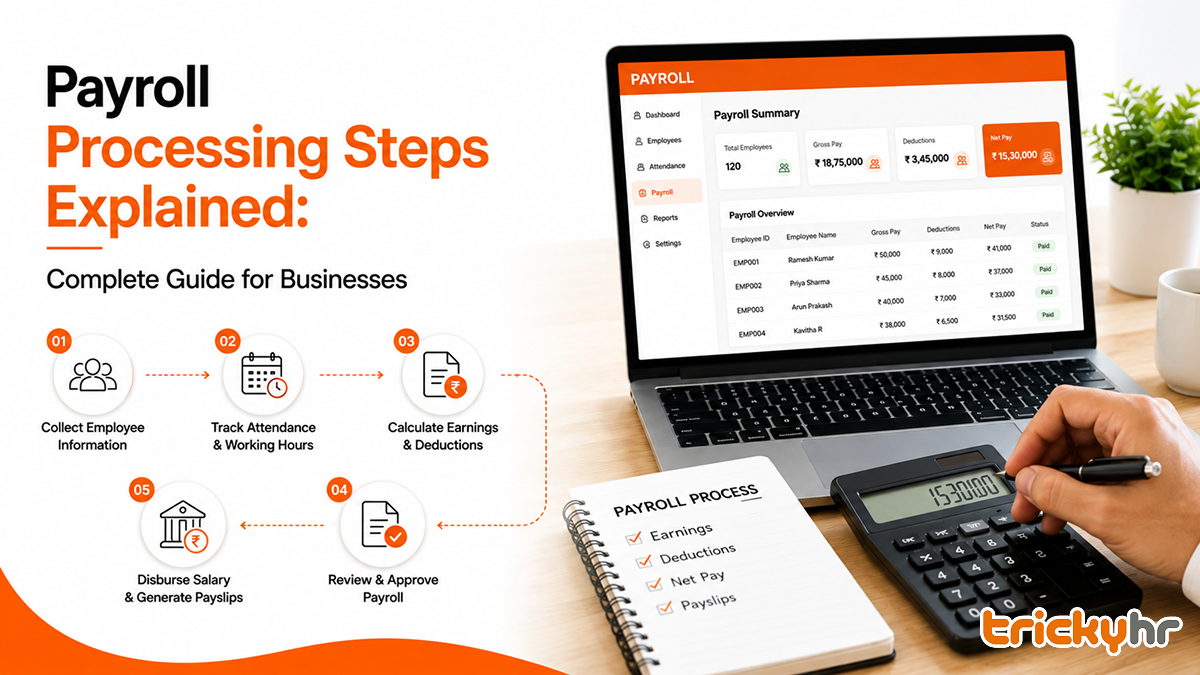
Payroll Processing Steps Explained: Complete Guide for Businesses
Payroll is one of the most important functions in any organization. Employees expect accurate and timely salary payments...
Read More
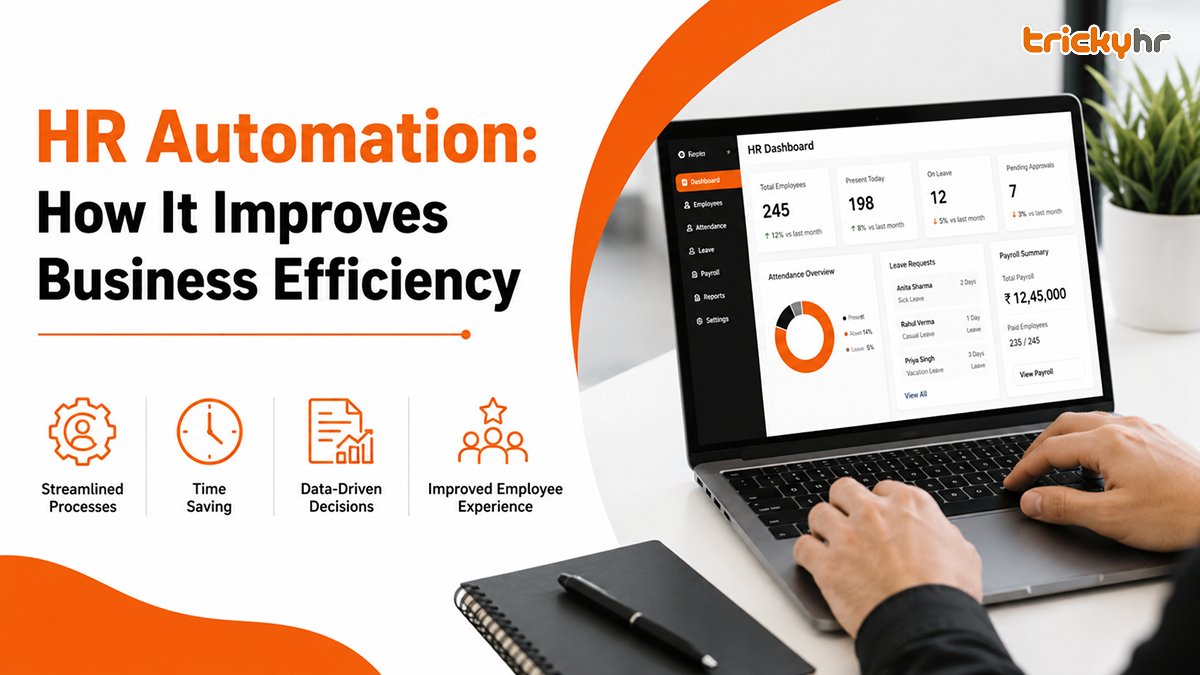
HR Automation: How It Improves Business Efficiency
In today's competitive business environment, organizations are constantly looking for ways to improve productivity, redu...
Read More
Why Growing Companies Need an Integrated HR and Payroll System
As businesses expand, managing HR operations and payroll separately becomes increasingly complex. Disconnected systems o...